
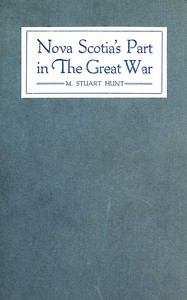
Nova Scotia's Part in the Great War by M. S. Hunt
This isn't a traditional novel with a single plot. Instead, think of it as a mosaic, pieced together from official records, newspaper clippings, and personal accounts. It follows the story of Nova Scotia's involvement in World War I from the first rush of volunteers in 1914 to the somber homecomings and memorials after 1918.
The Story
The book starts with the patriotic fervor that swept the province. It tracks the formation of famous units like the 25th Battalion and the 85th (Nova Scotia Highlanders), following them from training in Halifax to the mud of France and Belgium. But the real focus is on the people. You read about the Halifax Explosion of 1917 not just as a historical event, but as a catastrophe that ripped through families already grieving losses overseas. It lists names—so many names—from villages so small you'd miss them on a map. The 'story' is the collective experience of sacrifice, told through the lens of one Canadian province.
Why You Should Read It
I'll be honest, some pages are just lists of names and numbers. But that's where the power is. In between those lists, you find snippets of soldiers' letters, or a short paragraph about a hockey player from Sydney who won a military medal. It makes history human. You stop seeing the war as a monolith and start seeing it as thousands of individual decisions and tragedies. The anonymity of the author, 'M.S. Hunt,' somehow adds to this feeling. It's not a polished, professional history; it feels like a labor of love, compiled by someone who wanted these stories and sacrifices to be remembered locally. It’s quietly moving in a way big, sweeping histories often aren't.
Final Verdict
This is a niche but rewarding read. It's perfect for history buffs with a connection to Canada's Maritimes, or anyone interested in the social impact of war on small communities. If you love digging into primary sources and local history, you'll find it fascinating. It's not a page-turning narrative, but more like a memorial in book form. It's for the reader who wants to look past the dates and battles and meet the people who lived through them, one name at a time.
Legal analysis indicates this work is in the public domain. Use this text in your own projects freely.
Emily Garcia
11 months agoThe research depth is palpable from the very first chapter.
Margaret Jones
1 year agoHonestly, the flow of the text seems very fluid. One of the best books I've read this year.
Nancy Harris
1 year agoI was skeptical at first, but the author's voice is distinct and makes complex topics easy to digest. Exceeded all my expectations.
Carol Moore
5 months agoSurprisingly enough, the plot twists are genuinely surprising. Worth every second.





Linda Rodriguez
5 months agoThe digital formatting makes it very easy to navigate.